Booking.com criticised over fake property listings as customers sent to London pub address
Booking.com faces heavy criticism after fraudulent listings directed stranded tourists to a London Wetherspoons pub, exposing verification flaws.
- Core Development: Booking.com faces heavy criticism after fraudulent listings directed stranded tourists to a London Wetherspoons pub, exposing verification flaws.
- Beat Context: Categorized under Business with independent corroboration.
- Reporting Depth: 4 minute analytical read synthesized from verified newsroom sources.
Booking.com is facing mounting criticism over fraudulent property listings, with recent incidents leaving travellers stranded outside non-existent addresses and public authorities warning of regulatory enforcement.
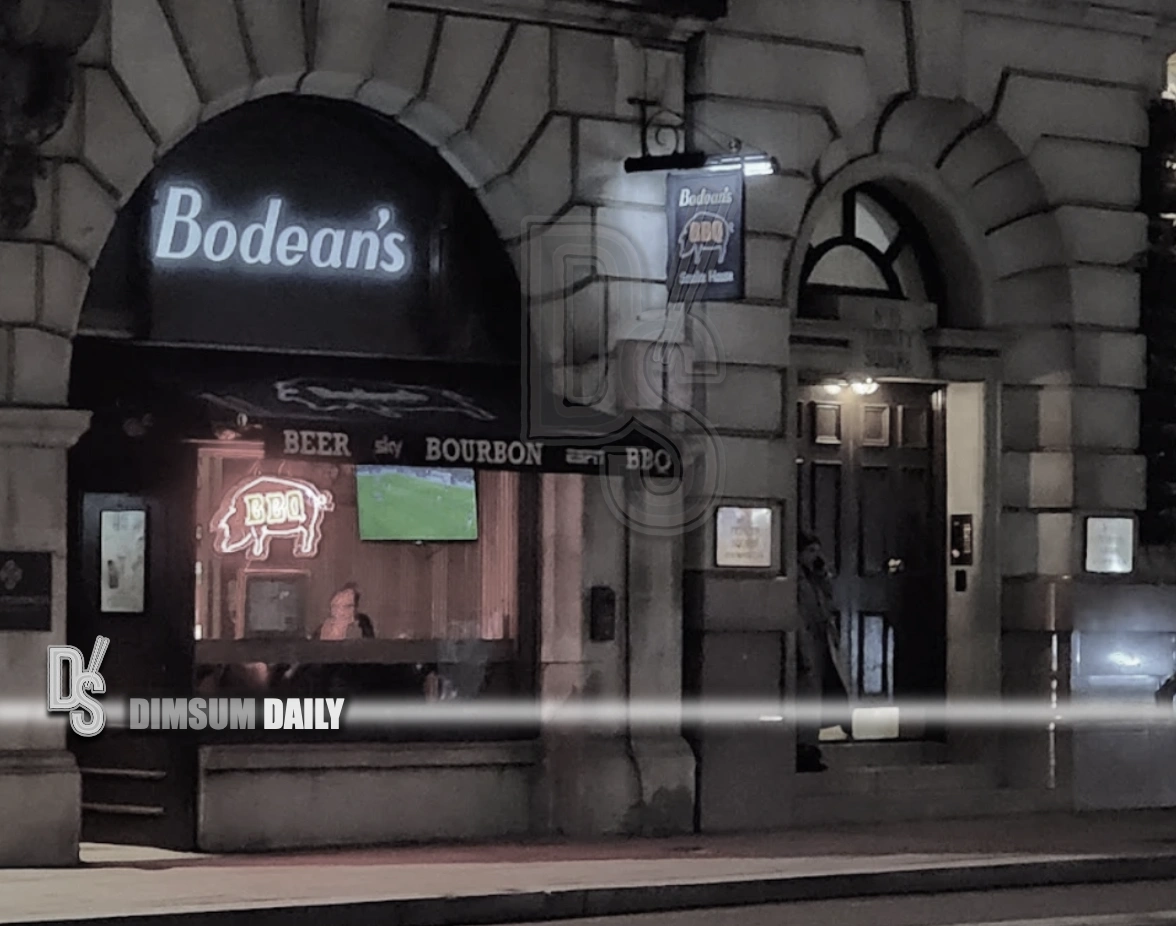
The controversy in the United Kingdom intensified after consumers arriving in the capital to visit attractions such as West End musicals found themselves directed not to luxury apartments, but to The Liberty Bounds, a Wetherspoons pub near Tower Bridge. According to Dimsumdaily, staff at the establishment were forced to turn away up to twenty confused tourists each day. The consumer group Which? revealed that the issue exposed systemic vulnerabilities in how digital travel platforms handle user verification and customer support during emergencies. In an effort to test the system, the watchdog managed to set up its own fake listing for 10 Downing Street on Booking.com earlier in the month following numerous reports from consumers about similarly deceptive listings.
Media additions
Among those affected was Paul Dawson from Loughborough, who booked a one-night stay for his family at a purported property named The London Crown apartments. Days after paying seventy-three pounds, he received a suspicious email requesting bank details via an external link. Despite alerting Booking.com to the fact that the listed address belonged to a public house, customer support instructed him to attend the physical location and wait until after 7.00pm before any relocation could be considered. Mr Dawson expressed acute distress over the prospect of arriving late at night with his autistic children at a nonexistent property, yet platform representatives insisted on the physical attendance rule. The listing for the London Crown apartments remained visible on the site, bearing over two hundred and fifty negative reviews from recent months alongside a smaller number of suspected falsified positive ratings. Other customers described having their warnings ignored, including an incident where two women from Spain found themselves without accommodation in the early hours of the morning.
Compounding the platform's reliability concerns, tests conducted by consumer watchdogs revealed that Booking.com’s artificial intelligence trip planner, Dot, failed to detect blatant anomalies. When asked whether The London Crown was legitimate, Dot described it as a genuine property equipped with free bikes and private parking, while placing it near Longleat Safari Park—more than a hundred miles away from London. Investigators also uncovered another fraudulent listing for "Apartments near Big Ben" using the address of Portcullis House, the parliamentary building where numerous Members of Parliament work. Booking.com attributed both the London Crown and Big Ben cases to sophisticated phishing attacks that temporarily hijacked the computer systems of genuine accommodation providers.
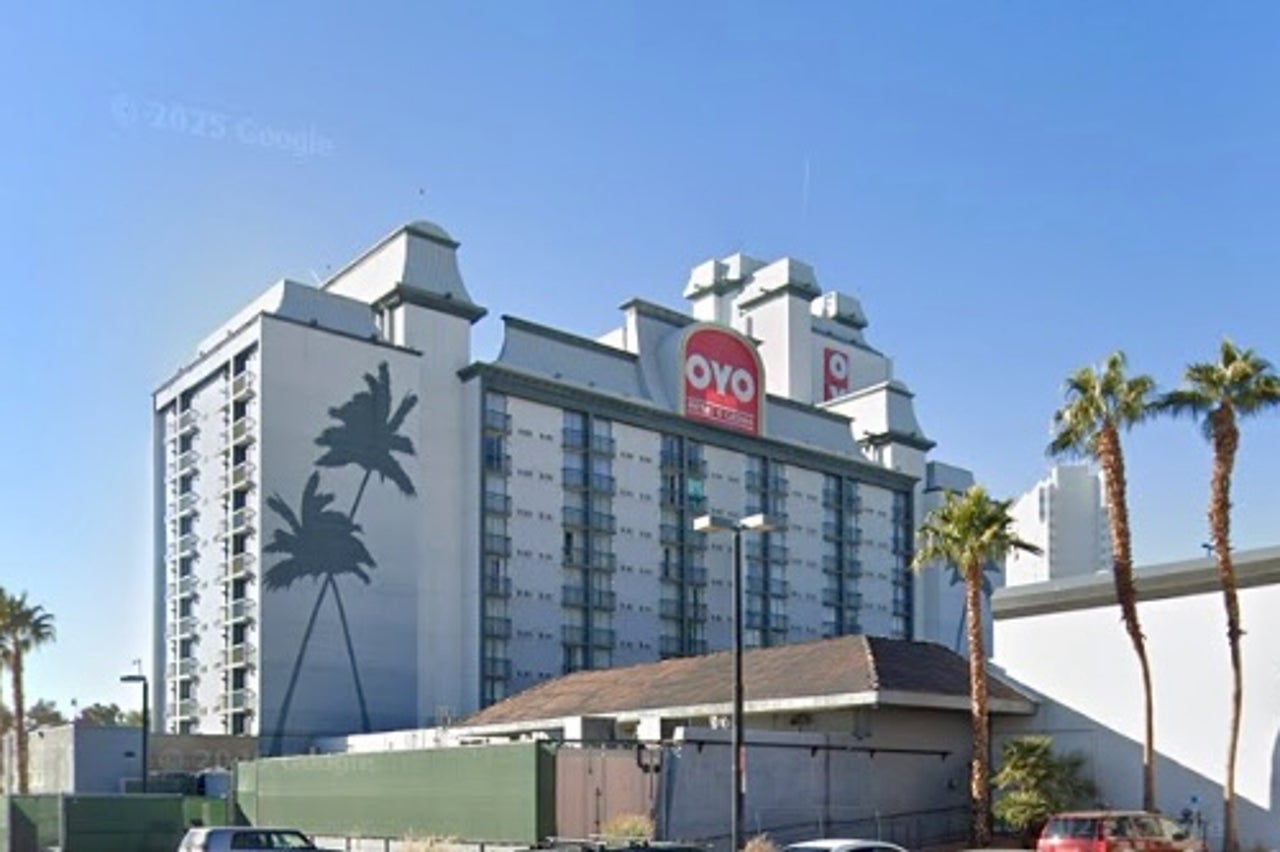
Meanwhile, similar deceptive practices surfaced internationally. Major travel booking sites launched investigations into listings in Las Vegas where low-rated properties rebranded themselves under false names to attract unsuspecting visitors. Travellers attempting to avoid the OYO Hotel discovered that properties named Palette and Collection O had popped up online, featuring photos nearly identical to the OYO with AI-generated edits. A local influencer known as Vegas Starfish warned millions of followers after hotel employees messaged her to report that internal operations were in chaos. OYO stated that it sincerely regretted the confusion, attributing the issue to an advertising error while evaluating room categories under a dual-brand strategy before renovations and signage were fully completed. Booking.com and Expedia confirmed they were actively investigating the Las Vegas listings.
Industry watchdogs have forcefully condemned Booking.com's crisis response. Rory Boland, travel editor at Which?, labelled the requirement for guests to visit fictitious addresses both reckless and dangerous, arguing that it shifts severe personal and financial risks entirely onto consumers. In response to mounting public pressure, Booking.com confirmed that bookings at the affected London properties have been suspended and support extended to impacted customers. Concurrently, regulatory bodies have signalled zero tolerance for non-compliance, with Ofcom reminding online platforms of their legal duties under the Online Safety Act to swiftly remove illegal user-generated content and confirming ongoing compliance investigations across more than one hundred digital sites.
| Incident Location | Reported Deceptive Listing | Actual Address / Nature | Platform Response |
|---|---|---|---|
| London, UK | The London Crown Apartments | The Liberty Bounds (Wetherspoons pub) | Suspended bookings and offered customer support |
| London, UK | Apartments near Big Ben | Portcullis House (Parliamentary building) | Suspended listings following phishing investigations |
| Las Vegas, USA | Palette and Collection O | OYO Hotel | Under active investigation by booking sites and property re-evaluations |
As regulatory scrutiny intensifies, stakeholders will monitor whether automated safety tools and verification protocols can effectively prevent cybercriminals from exploiting accommodation accounts. Ofcom’s broader investigations into online platforms continue, and further enforcement actions under the Online Safety Act are expected as authorities review how digital marketplaces police fraudulent content.
How significant is this development?
Contribute your assessment to the aggregated reader sentiment ledger.
Frequently Asked Questions
Key questions answered in this reportWhat is the key development in: Booking.com criticised over fake property listings as customers sent to London pub address?
Booking.com faces heavy criticism after fraudulent listings directed stranded tourists to a London Wetherspoons pub, exposing verification flaws.
Why is this Business development significant for the UK?
This report covers critical events in our Business beat. Independent reporting monitors related UK statements, regulatory shifts, and public responses as further verified details emerge.
How was this reporting corroborated and verified?
Newsarchy UK compiles and cross-references reporting from primary reporting from London Evening Standard and cross-checked wire reports. All coverage adheres to published editorial standards.
When was this report published?
This briefing was published on September 25, 2026 and is permanently cataloged in the Newsarchy UK Business archives.